Limited edition artist book, accordion fold, bound by the artist.
102 color photographs by the artist. 80 pages.
Book structure developed in collaboration with bookbinders
Karen Hanmer and Linda Lembke.
Typeset in Fortescue and Haettenschweiler fonts.
Archival pigment inkjet printing by the artist.
Printed on Awagami Kozo Thin White 70 g/m2 paper, produced by the
Fujimori family in Tokushima, Japan.
Cover: Lokta Handmade Wax Block Printed Paper made in Nepal
Endsheets: Yatsuo 45 g/m2 paper
Colophon by the artist
Limited Edition of 18 — Signed
Published in 2024
2009 was the first year I used my camera to give voice to my fascination with Japan and its people. It started in Kamagasaki, Nishinari Ward, Osaka. My journey of discovery took me all over Japan, from forlorn urban neighborhoods to communities of profound suffering following the Great Tohoku Earthquake of 2011, to remote mountain villages, where elders are left to fend for themselves, to magical Shoboji Temple in Iwate Prefecture.
The book title is named after Yasujiro Ozu’s film Floating Weeds. The name is inspired by plants that float on the surface of the water without ever being rooted to the bottom. Literally, Floating Weeds is a Japanese term for itinerant actors. However, to me it speaks to the essence of my experience while travelling through Japan: rootless and windblown, driving mile after mile in my car.
The pictures reflect the many small facets I found on my journey. This work is an homage to the intrinsic beauty and colors of Japan, small windows to a place that has long captured my heart and imagination.
Limited edition artist book, accordion fold, bound by the artist.
102 color photographs by the artist. 80 pages.
Book structure developed in collaboration with bookbinders
Karen Hanmer and Linda Lembke.
Typeset in Fortescue and Haettenschweiler fonts.
Archival pigment inkjet printing by the artist.
Printed on Awagami Kozo Thin White 70 g/m2 paper, produced by the
Fujimori family in Tokushima, Japan.
Cover: Lokta Handmade Wax Block Printed Paper made in Nepal
Endsheets: Yatsuo 45 g/m2 paper
Colophon by the artist
Limited Edition of 18 — Signed
Published in 2024
2009 was the first year I used my camera to give voice to my fascination with Japan and its people. It started in Kamagasaki, Nishinari Ward, Osaka. My journey of discovery took me all over Japan, from forlorn urban neighborhoods to communities of profound suffering following the Great Tohoku Earthquake of 2011, to remote mountain villages, where elders are left to fend for themselves, to magical Shoboji Temple in Iwate Prefecture.
The book title is named after Yasujiro Ozu’s film Floating Weeds. The name is inspired by plants that float on the surface of the water without ever being rooted to the bottom. Literally, Floating Weeds is a Japanese term for itinerant actors. However, to me it speaks to the essence of my experience while travelling through Japan: rootless and windblown, driving mile after mile in my car.
The pictures reflect the many small facets I found on my journey. This work is an homage to the intrinsic beauty and colors of Japan, small windows to a place that has long captured my heart and imagination.
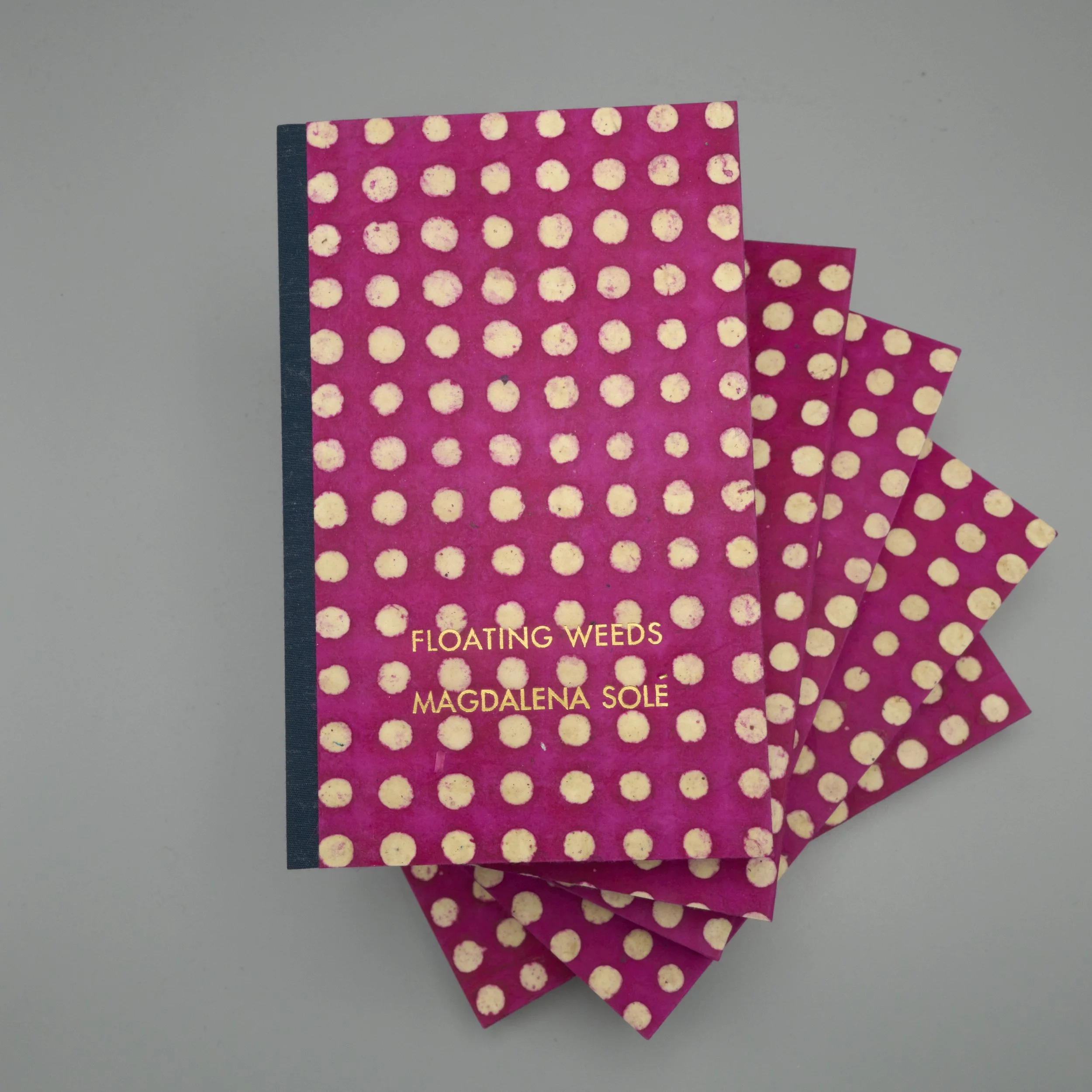 Image 1 of 44
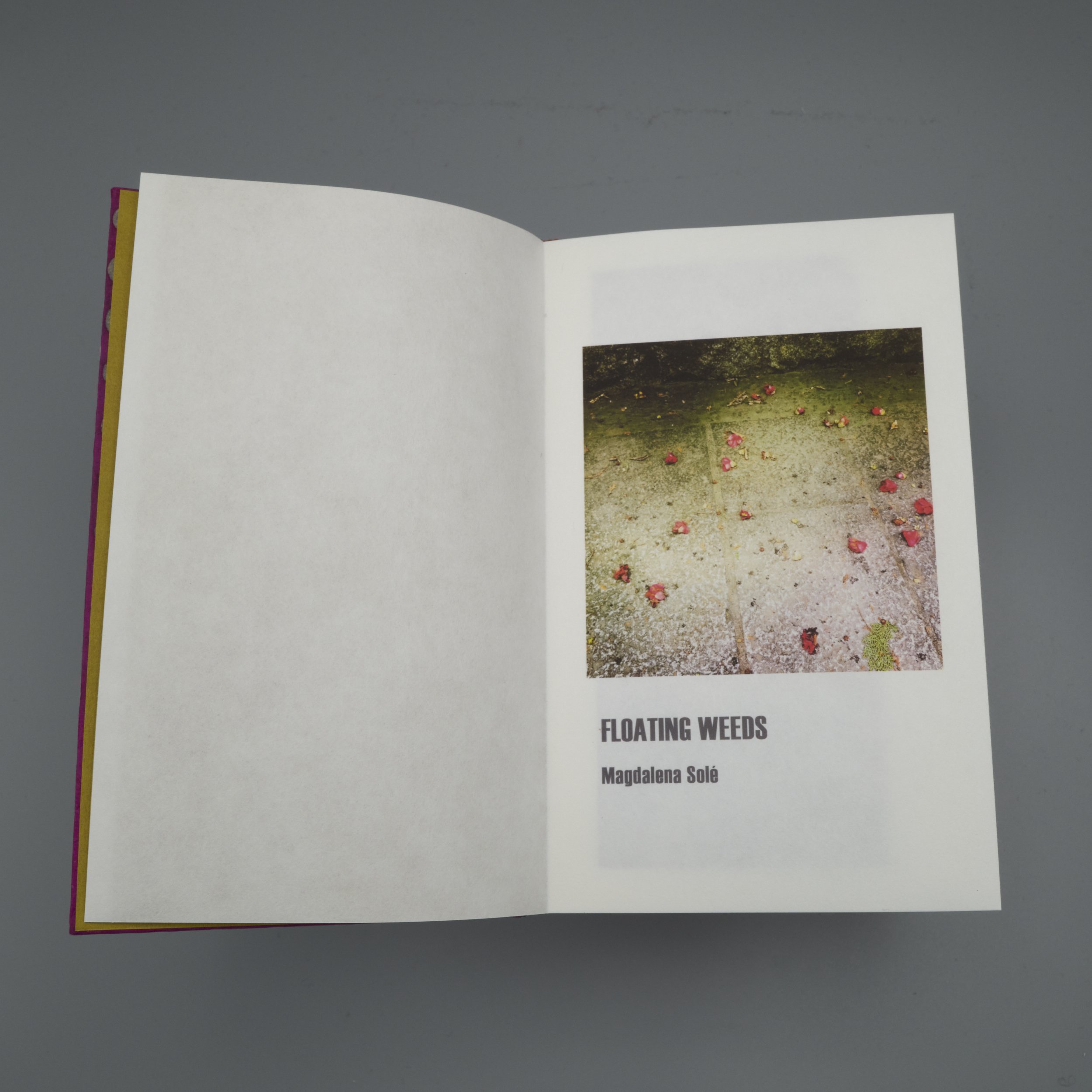 Image 2 of 44
 Image 3 of 44
 Image 4 of 44
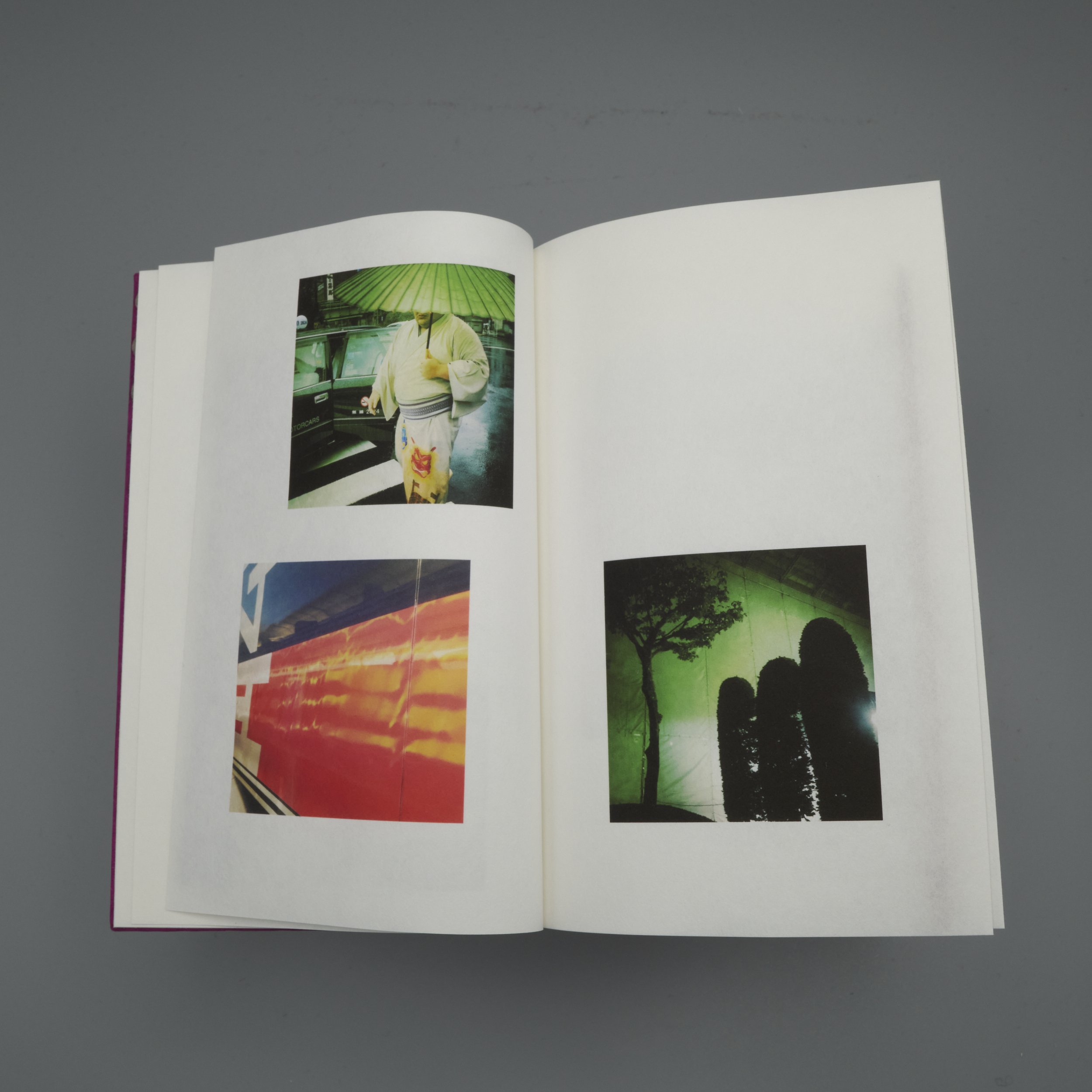 Image 5 of 44
 Image 6 of 44
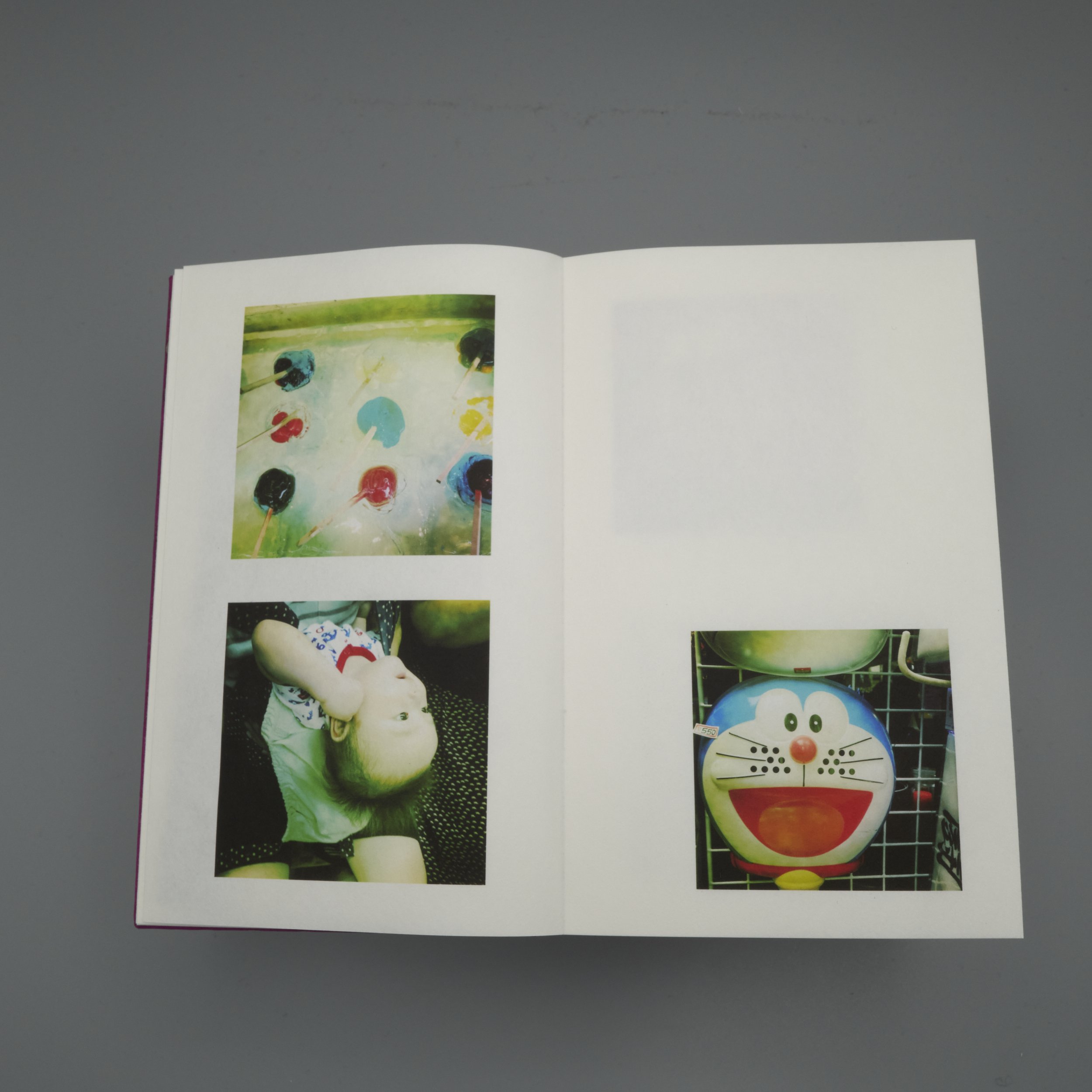 Image 7 of 44
 Image 8 of 44
 Image 9 of 44
 Image 10 of 44
 Image 11 of 44
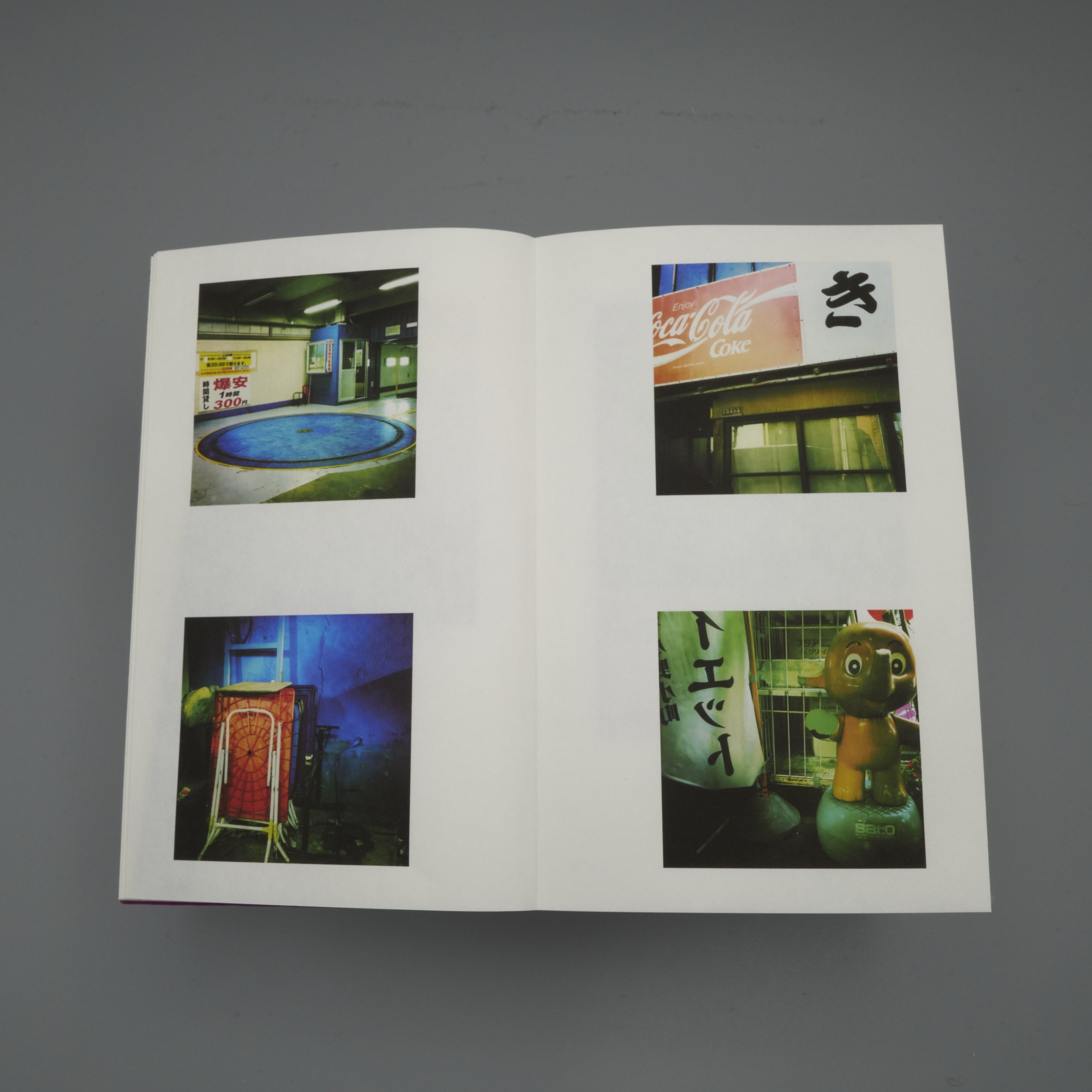 Image 12 of 44
 Image 13 of 44
 Image 14 of 44
 Image 15 of 44
 Image 16 of 44
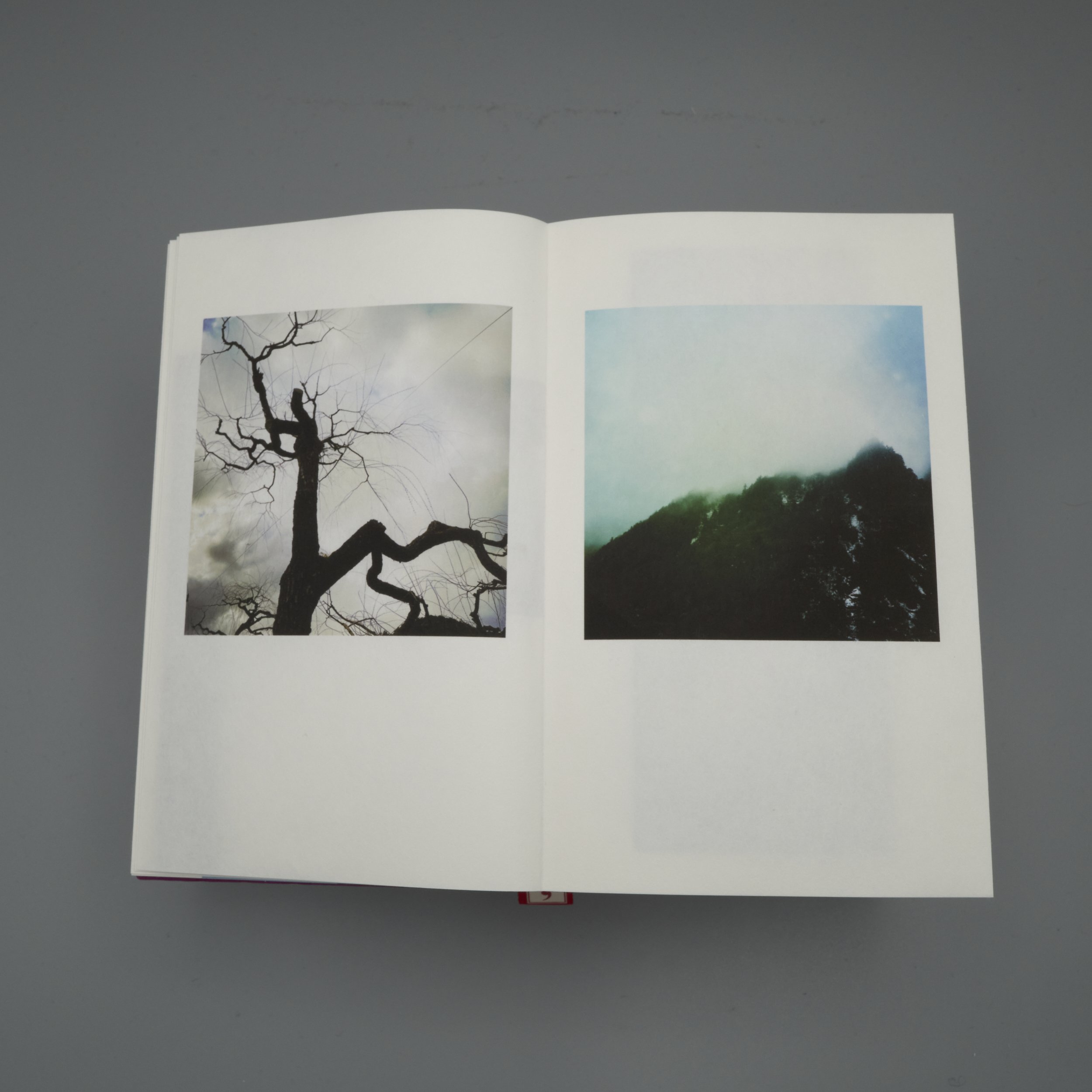 Image 17 of 44
 Image 18 of 44
 Image 19 of 44
 Image 20 of 44
 Image 21 of 44
 Image 22 of 44
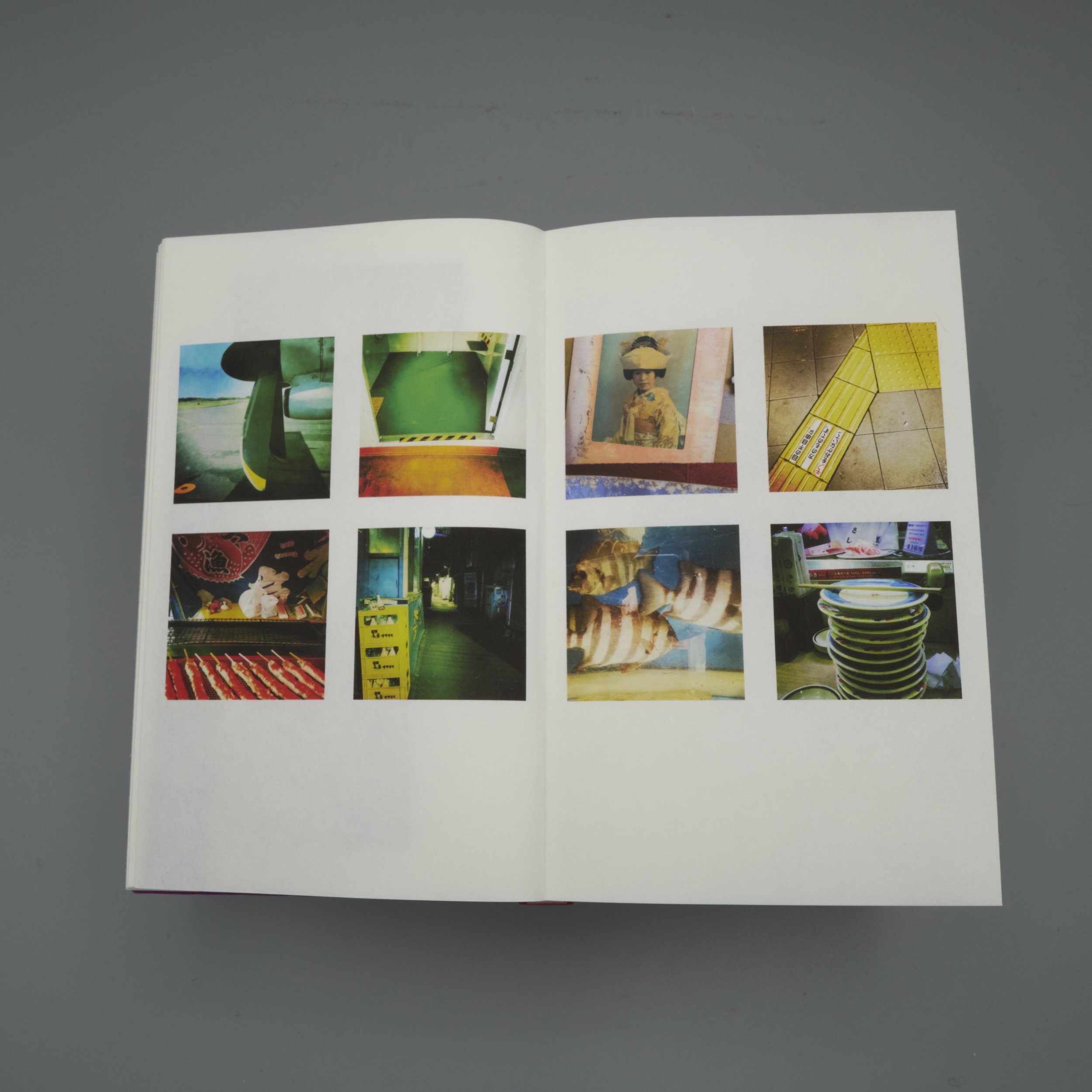 Image 23 of 44
 Image 24 of 44
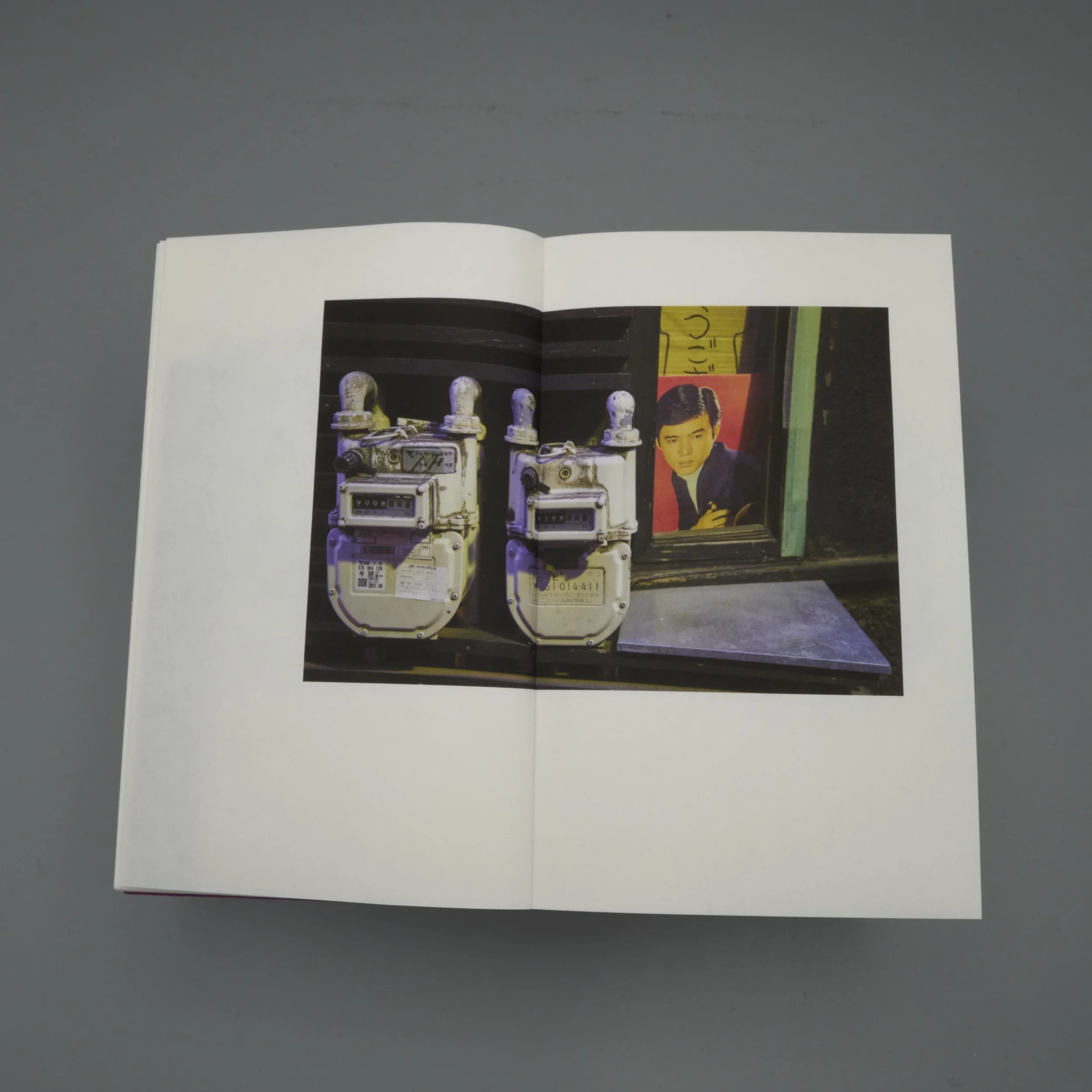 Image 25 of 44
 Image 26 of 44
 Image 27 of 44
 Image 28 of 44
 Image 29 of 44
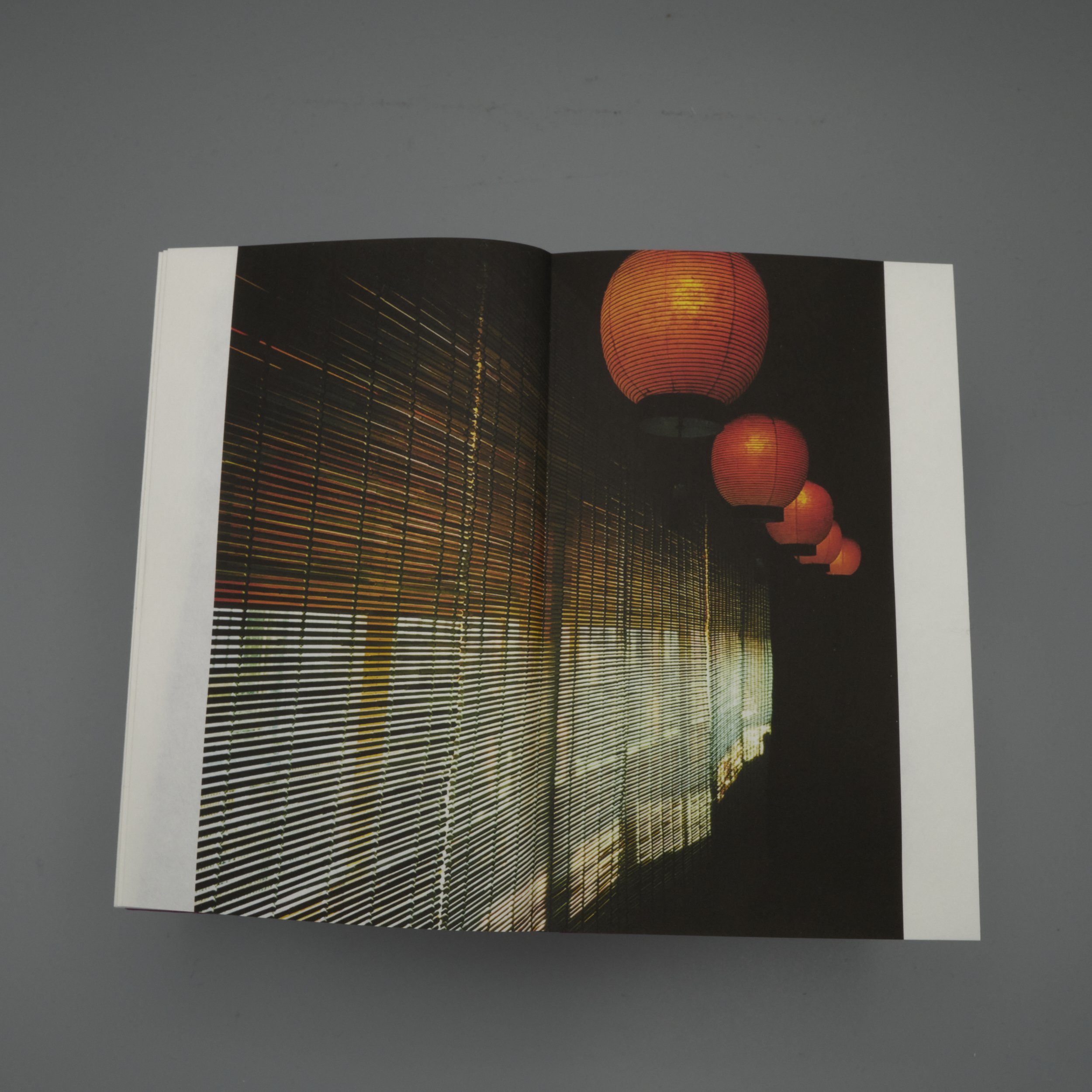 Image 30 of 44
 Image 31 of 44
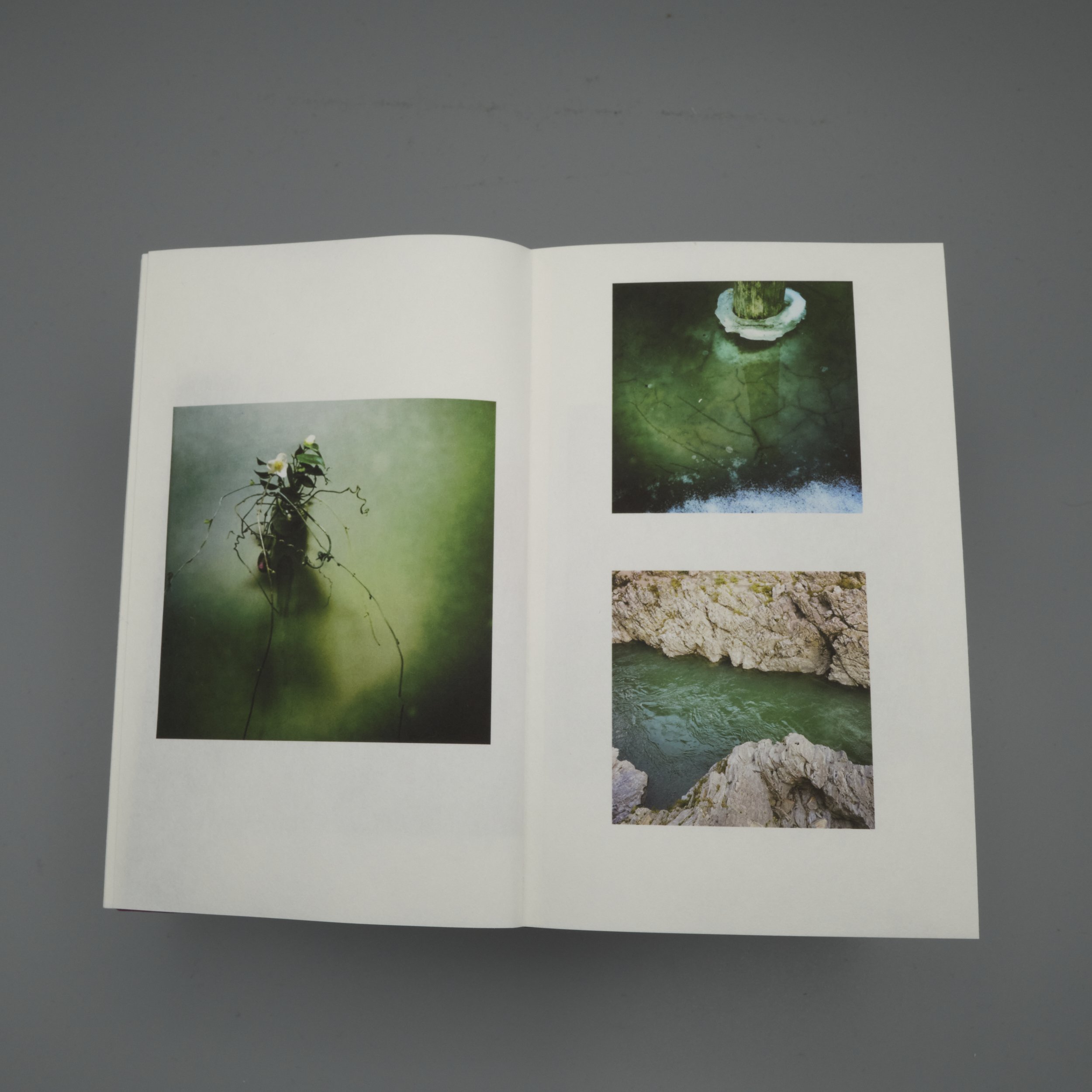 Image 32 of 44
 Image 33 of 44
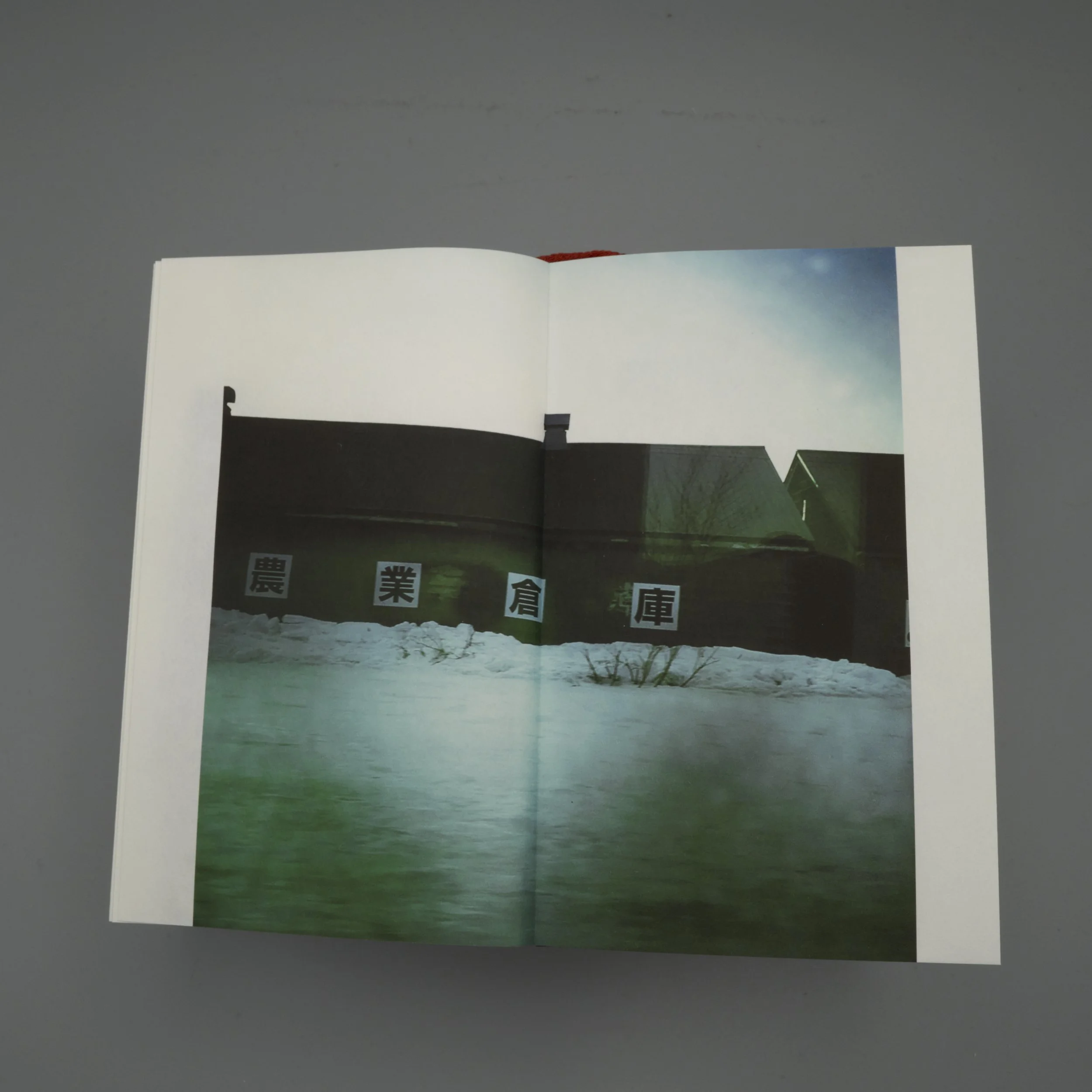 Image 34 of 44
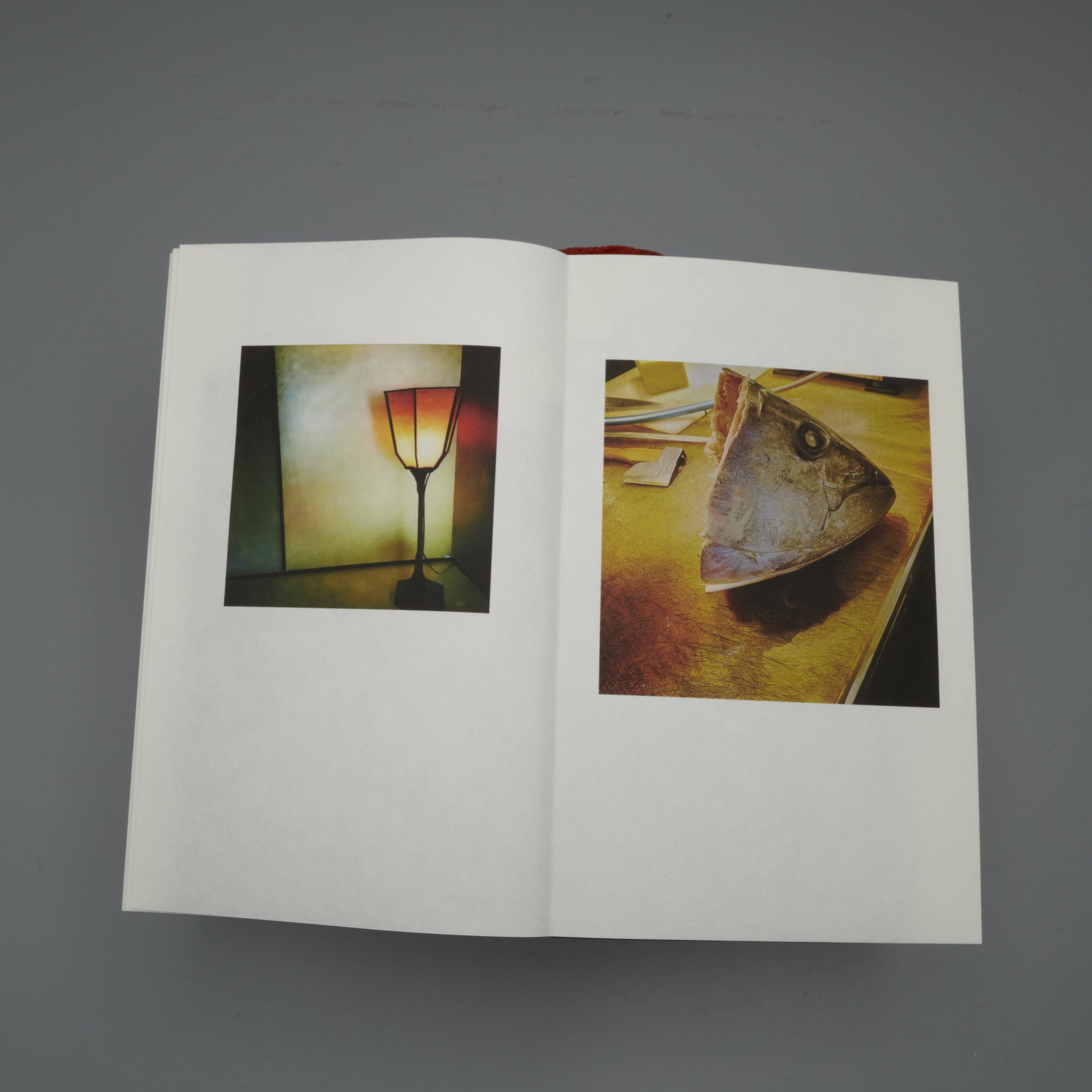 Image 35 of 44
 Image 36 of 44
 Image 37 of 44
 Image 38 of 44
 Image 39 of 44
 Image 40 of 44
 Image 41 of 44
 Image 42 of 44
 Image 43 of 44
 Image 44 of 44